

The Shocking Vulnerability: Hurricanes, Freezes, and the Electrical Grid’s Collapse
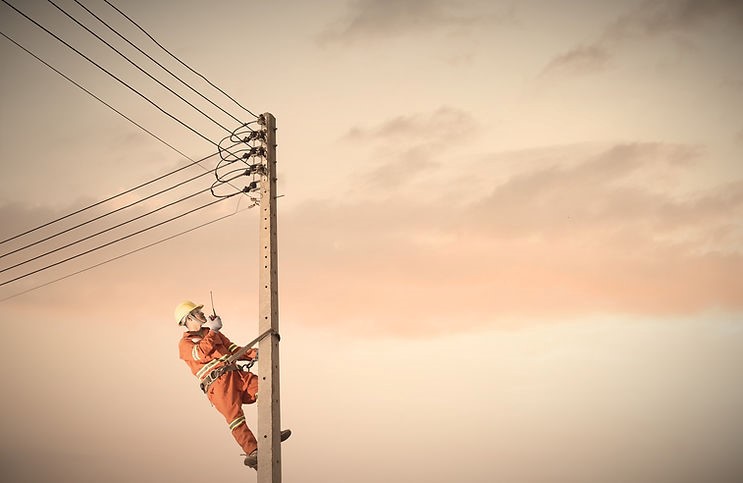
In August 2021, Hurricane Ida completely collapsed the Louisiana electrical grid around New Orleans. Winds over 150 mph blew down trees, tossed lines and poles around, splintered poles, toppled a high-tension tower into the river. Only eight months earlier (January 2021), a deep freeze hit Texas, with temperatures so far below expected norms that they knocked out the electric grid. Talk about rolling blackouts. Many folks sat without power for weeks, in the dark and cold in Texas and in the dark and heat in Louisiana. So, what’s going on? And can we expect more of the same? Probably, if business models continue to prioritize deferring maintenance and stretching life cycles over investing in regular improvements and updates. Power pole replacement in Louisiana happens on a ten-year schedule. The fallen tower made it through previous storms but hadn’t been replaced, despite being heavily corroded.
A Déjà Vu of Failures: Climate-Induced Disasters as Warnings for the Future
Events like these remind me of the fragility of the systems we rely on but take for granted and often neglect. Back in the early 1980s, I wrote my master’s thesis on the “Infrastructure Crisis.” I’d read Pat Choate’s then recently published America in Ruins. If the country kept failing to invest in upkeep and renewal of vital systems critical to commerce and daily life—water and sewerage, electrical grids, roads, highways, bridges—we faced a rapidly diminishing future and loss of global leadership and competitiveness. Forty years later, we’ve made only spotty progress and seem to be easing closer to Choate’s dystopian forecast, further amplified by the challenges of climate change.
Echoes from the Past: The Infrastructure Crisis of the 1980s and Unfinished Business
I did my graduate work in an early environmental studies program at the State University of New York at Buffalo. Recruiting a committee to oversee the work took shifting perspectives. My first invitation drew a refusal, too much urban and not enough environment. I moved on and found a political-scientist-environmentalist and an urban planner, both intrigued by the urban-environmental links, with infrastructure the buffer between. Though I didn’t realize then, I wonder now about the ways ideas start to float, long before they coalesce. It took another decade (1994) before John Elkington proposed his “Triple Bottom Line” model, reframing corporate social responsibility and sustainability to shift focus from profits to factor in planet/environment and people/equity. Progress on those fronts has been even spottier. And Elkington himself says companies have missed the point, still haven’t got the balance right.
Buffalo’s Tale: A Case Study on Fiscal Stress, Infrastructure Decay, and Public Will
My thesis featured a case study of the City of Buffalo, struggling then as now to square fiscal stress and a dwindling tax base with crumbling infrastructure. I’d worked in City Hall, so I had access. No surprise, while lining up interviews and diving into research, to discover this was as much a fiscal as a physical problem. Learning about capital budgets, general obligation and revenue bonds, state constitutional debt ceilings, I also recognized a public will problem. Choate’s recommendations came up against budgets too tight to accommodate all the urgent needs. And unless there’s a crisis, “out of sight, out of mind” infrastructure can seem like it could wait till next year or the year after.
Disaster Amnesia and the Urgency for Regular Upkeep: A Nation at the Crossroads
Stack up enough next years and there’s no affordable getting ahead of the backlog. So far, we’ve been lucky. Systems, typically built to be redundant, have proven remarkably forgiving. They’ve been patched and pushed way past their original expected lives. Still, this can’t go on indefinitely. And, as increasingly vulnerable systems intersect with more extreme weather, we can expect more failures, more public pain and outrage, more political pressure. And then the rush into incremental, more expensive, “putting out fires” emergency repairs and replacements. Call these Andy Warhol “15 minutes of fame/attention” moments. But spotlights and adrenaline soon fade and “disaster amnesia” sets in, with a return to old, seemingly comfortable, habits until the next crisis catches us off guard. And with more severe weather more often, that’s likely to happen more often too. Regularly scheduled upkeep is so much more cost effective, but there are those public will and money problems.
Choate’s book featured the ruin of a Greek temple on the cover, a not too subtle reference to the “white city” buildings of the nation’s capital. And now, the national “Build Back Better” bill has stalled and probably died in Congress. And I can’t help but notice that the country, with far greater resources, is no better prepared to take effective action than beleaguered Buffalo.